
Case Study: LMS Ecosystem
Empowering UY LAB with a Secure & Scalable Digital Campus
A comprehensive transformation of UY LAB’s learning infrastructure, replacing fragmented systems with a unified Web, Android, and iOS ecosystem designed for 10x student growth.
faster student onboarding time
reduction in infrastructure costs
Client Overview
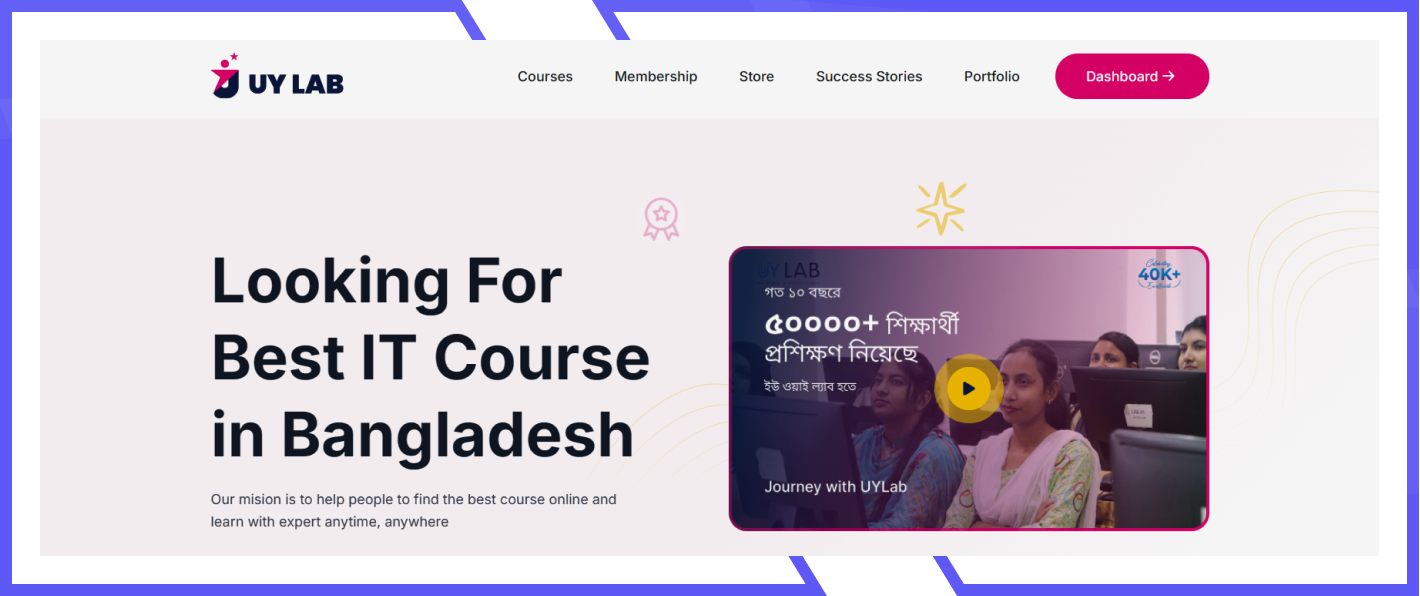
UY LAB is a fast-growing e-learning platform focused on delivering structured, high-quality digital education. With a growing student base and diverse course formats, UY LAB needed a modern Learning Management System (LMS) that could support scale, protect premium content, and provide a seamless experience for both learners and instructors.
To achieve this, UY LAB partnered with The Tork to design and develop a robust, future-ready LMS ecosystem across web and mobile platforms.
The Challenge
Before the transformation, UY LAB relied on an outdated and fragmented learning system. While the platform hosted valuable content, it struggled to support structured learning, content security, and high traffic demand. These gaps directly impacted learner satisfaction, instructor efficiency, and business growth.
- •Low student engagement and course completion rates, especially when course structure and progression were unclear or inconsistent across different batches
- •Revenue loss due to content piracy, as premium learning materials were being shared outside the platform
- •Complex and time-consuming instructor workflows, with no efficient way to manage classes, modules, and assessments separately for different batches
- •Inability to manage courses batch-wise, making it difficult to run parallel intakes with different schedules, instructors, or content versions
- •Lack of version control for course materials, so updating content for new students risked impacting learners already enrolled in previous batches
- •Poor mobile learning experience, reducing accessibility for the majority of students who rely on smartphones
- •Limited visibility into student behavior and drop-off points, preventing institutions from improving course design and retention
- •Low enrollment conversion rates caused by long, confusing registration and payment processes
- •Scalability challenges during marketing campaigns and exam seasons, when sudden traffic spikes caused performance degradation
Project Goals
The collaboration aimed to build a complete LMS solution that would:
- •Enforce structured learning progression
- •Secure premium video content
- •Support multiple class formats in one system
- •Deliver a mobile-first learning experience
- •Simplify instructor content management
- •Provide deep analytics and insights
- •Scale smoothly during high traffic
- •Improve student engagement and conversions
Solution We Provided
We designed and implemented a full-scale custom LMS ecosystem with strong progress control, secure content delivery, mobile-first learning experience, and scalable cloud infrastructure.
The system includes automated progress enforcement, anti-piracy mechanisms, instructor productivity tools, advanced analytics, and optimized performance layers to support high concurrent users across platforms.
Strategy & Approach
The Tork followed a product-first, scalability-driven approach, focusing on long-term performance, security, and usability. The platform was designed as a unified ecosystem where web and mobile applications shared consistent logic, progress tracking, and data integrity.
Server-side Validation
Core learning rules and access logic were enforced at the server level to ensure data integrity, security, and fair usage across platforms.
Modular Architecture
The system was built using a modular structure, allowing features to scale independently while maintaining clean, reusable logic.
Performance-Optimized Infrastructure
Infrastructure decisions prioritized speed and reliability to ensure smooth content delivery and real-time progress synchronization.
Data-driven Decision Support
Analytics and usage insights were embedded into the system to support informed decisions and continuous product improvement.
Regular Features
The LMS platform includes a comprehensive set of core features designed to support learners, instructors, and administrators across the entire learning lifecycle.
- •User authentication and role management
- •Course and module management
- •Video-based learning system
- •Quiz and assignment system
- •Student dashboards
- •Instructor dashboards
- •Payment and enrollment system
- •Certificate generation
- •Notification system
- •Admin panel
- •Reporting and analytics dashboards
Customized Unique Features
Beyond standard LMS functionality, the platform includes a set of purpose-built features designed to solve UY LAB’s most critical learning, security, and scalability challenges.
- •50% Progress Unlock Engine with strict server-side validation: Ensures students must complete required portions of current content before accessing the next class.
- •Multi-layer content protection system to prevent piracy and illegal sharing: Includes screen recording detection, dynamic watermarks, and domain-restricted playback.
- •Unified Class Timeline with multi-content support: Enabling a single learning flow for live classes, recorded classes, quizzes, and assignments.
- •Modular class-type rendering engine: Automatically loads correct UI and rules based on content type.
- •Advanced Multiple Batch Management System: Same course can run in multiple parallel batches with separate schedules and independent tracking.
- •Batch-wise class assignment and delivery: Students only see content assigned to their enrolled batch.
- •Course Content Versioning for New Batches: Instructors can update materials for upcoming batches without disrupting existing students.
- •Drag-and-drop instructor module builder: Allows instructors to quickly organize videos, quizzes, and assignments.
- •Custom analytics dashboards for institutions and admins: Provides insights into student engagement, drop-off points, and revenue trends.
Execution Highlights
Key execution highlights demonstrate how the LMS was implemented with cutting-edge features, security measures, and a performance-optimized infrastructure.
- •Custom progress engine: Enforcing a 50% completion rule before unlocking the next classes.
- •Multi-layer content protection: Includes screen recording detection and dynamic watermarks.
- •Modular class system: Supports live classes, recordings, quizzes, and assignments.
- •Engagement-focused features: Progress bars, rewards, certificates, and reminders to boost learner involvement.
- •Instructor dashboard: Drag-and-drop module building and performance insights for efficient course management.
- •Flutter-based Android & iOS apps: Real-time synchronization and push notifications for seamless mobile learning.
- •High-performance infrastructure: Leveraging Cloudways, Cloudflare CDN, Redis caching, and load balancing to support high-concurrency usage.
Performance Metrics
The LMS platform achieved measurable improvements across student outcomes, platform stability, and operational efficiency after implementing advanced features and optimizations.
- •Student Passing Rate Improvement: +23% increase in students achieving passing scores after implementing progress tracking and engagement features.
- •Platform Uptime: 99.8% uptime ensuring an uninterrupted learning experience.
- •Course Completion Rate Increase: +18–20% more students complete courses due to progress engine, rewards, and notifications.
- •Content Piracy Reduction: ~90% decrease in unauthorized video sharing after implementing screen recording detection and watermarks.
- •Instructor Time Saved: ~30% reduction in course management workload due to drag-and-drop module builder, automated grading, and dashboards.
- •Enrollment Conversion Boost: +15% increase from faster sign-up and payment flow.
- •Peak Performance Handling: 2–3x improvement in video streaming speed and responsiveness during high traffic periods using Redis caching, Cloudflare, and load balancing.
Key Outcomes
The upgraded LMS platform delivered significant impact across learners, instructors, and overall platform performance.
- •80,000+ active learners successfully migrated and supported on the upgraded platform without service disruption.
- •Increase in new enrollments after platform upgrade, driven by improved onboarding flow and mobile accessibility.
- •Higher enrollment conversion rate (+15%) due to simplified registration and faster payment process.
- •23% improvement in student passing rate after introducing structured progress control and engagement features.
- •Noticeable increase in course completion rates through progress unlock rules, rewards, and reminders.
- •99.8% platform uptime, even during peak hours, exams, and live classes.
- •90% average session satisfaction rate, reflecting improved usability and performance.
- •Major reduction in content piracy incidents, protecting premium learning content and revenue.
- •Instructor workload reduced by ~30% through drag-and-drop module builder and automated management tools.
- •Faster page load times and smoother video playback after CDN, Redis caching, and Redis-based caching layers.
Project Team Overview
Typical project team: 6–10 members. Each role contributes to smooth, high-quality delivery.
Project Manager
Coordinates the team & timelines
Backend Developers
Server logic & database (Laravel)
Frontend Developers
React/Next.js UI
Mobile Developer
Flutter apps
UI/UX Designer
Wireframes & design
QA / DevOps
Testing & deployment
Project Results
100%
Delivery Success
35%
Engagement Boost
0%
Content Leakage
Technology We Used
Client Feedback
"Collaborating with TORK has been a transformative experience. Their team’s dedication, expertise, and commitment to delivering exceptional results exceeded our expectations. We couldn’t have achieved our goals without their innovative solutions."

Md Shahadat Hossain
COO, UY LAB
Conclusion
The UY LAB LMS project demonstrates how a strategically designed, security-first, and scalable learning platform can drive meaningful impact in digital education. By addressing content protection, engagement gaps, performance bottlenecks, and instructor workflow challenges, The Tork delivered a unified LMS ecosystem across web and mobile within six months.
UY LAB is now equipped with a future-ready platform built for long-term success.
Looking to develop a secure, scalable digital platform for your business or institution?
The Tork helps organizations turn complex ideas into high-performing digital products.